

Inner Realities
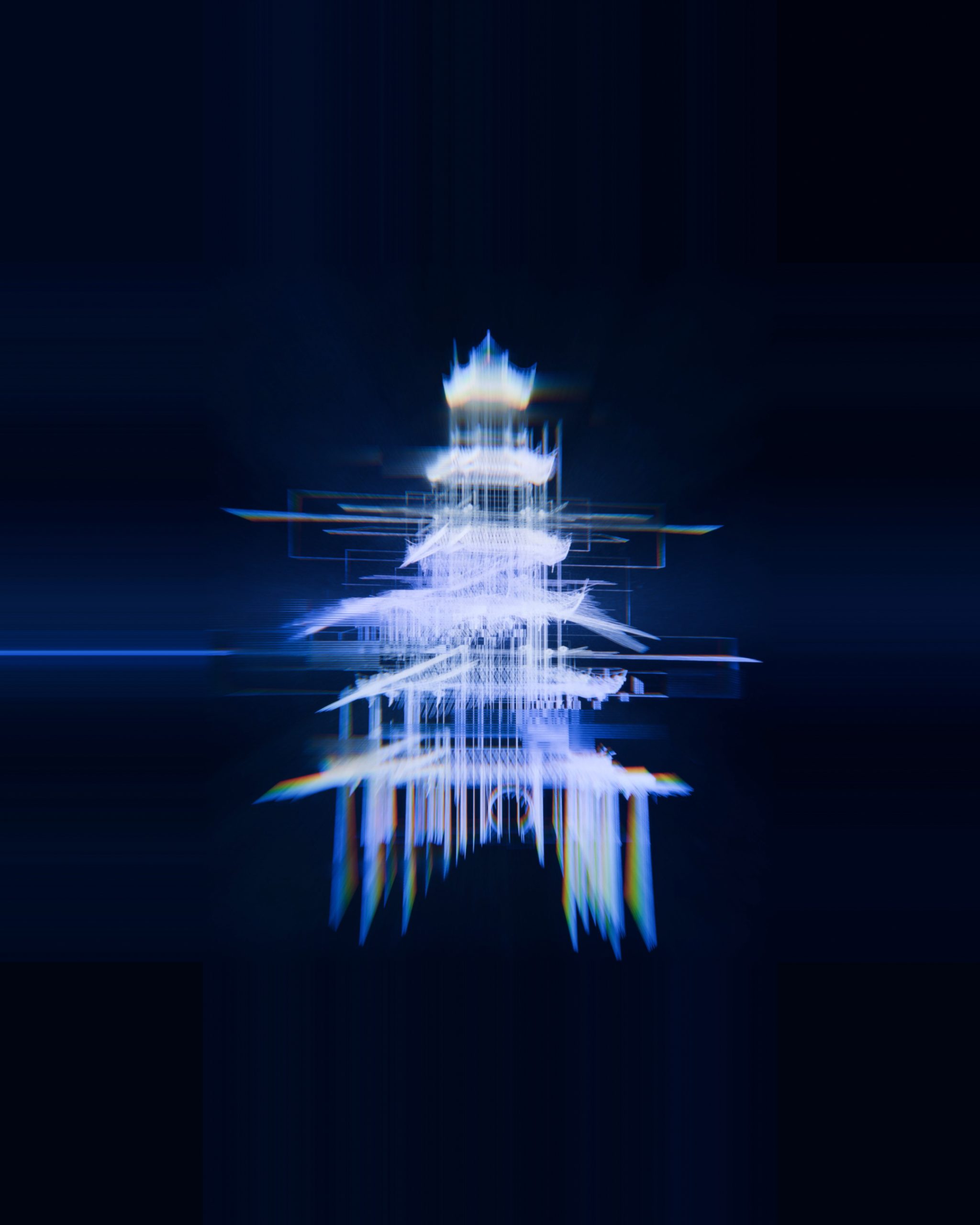
Thenticy: Zeta Articuli explores three distinct soundscapes born from raw sonic exploration. Each track serves as an imaginative projection—an auditory vision of how vastly different worlds might sound.
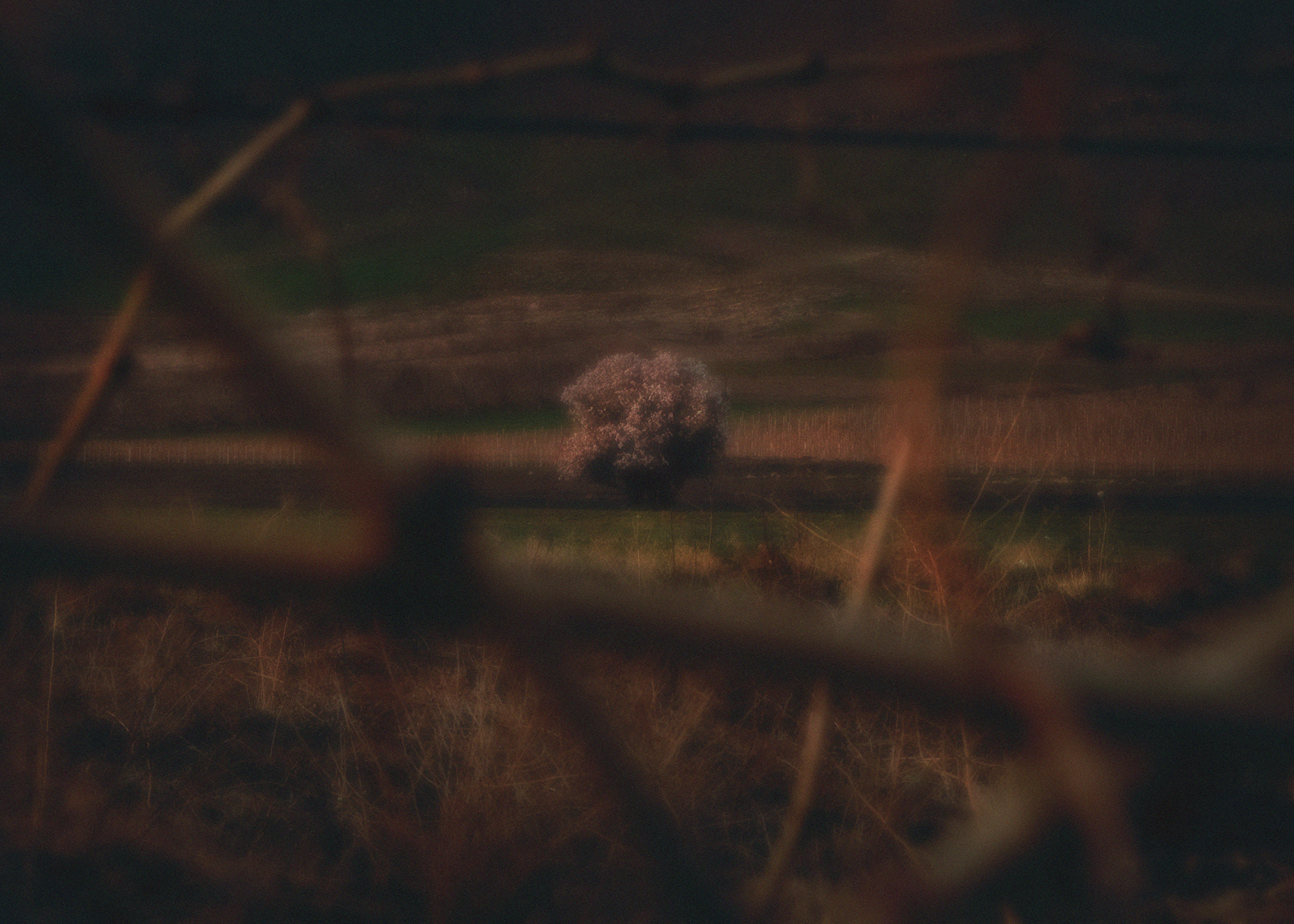
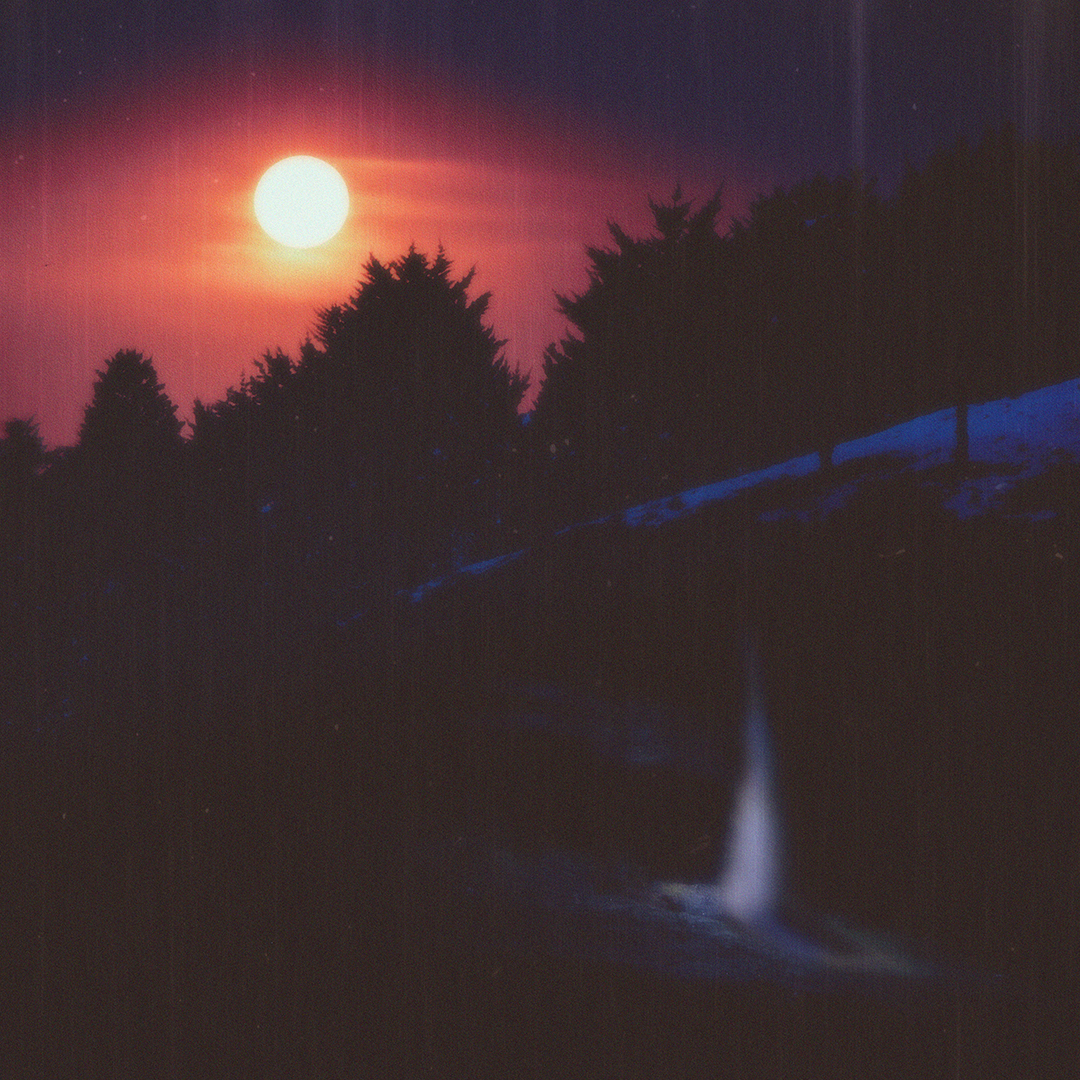
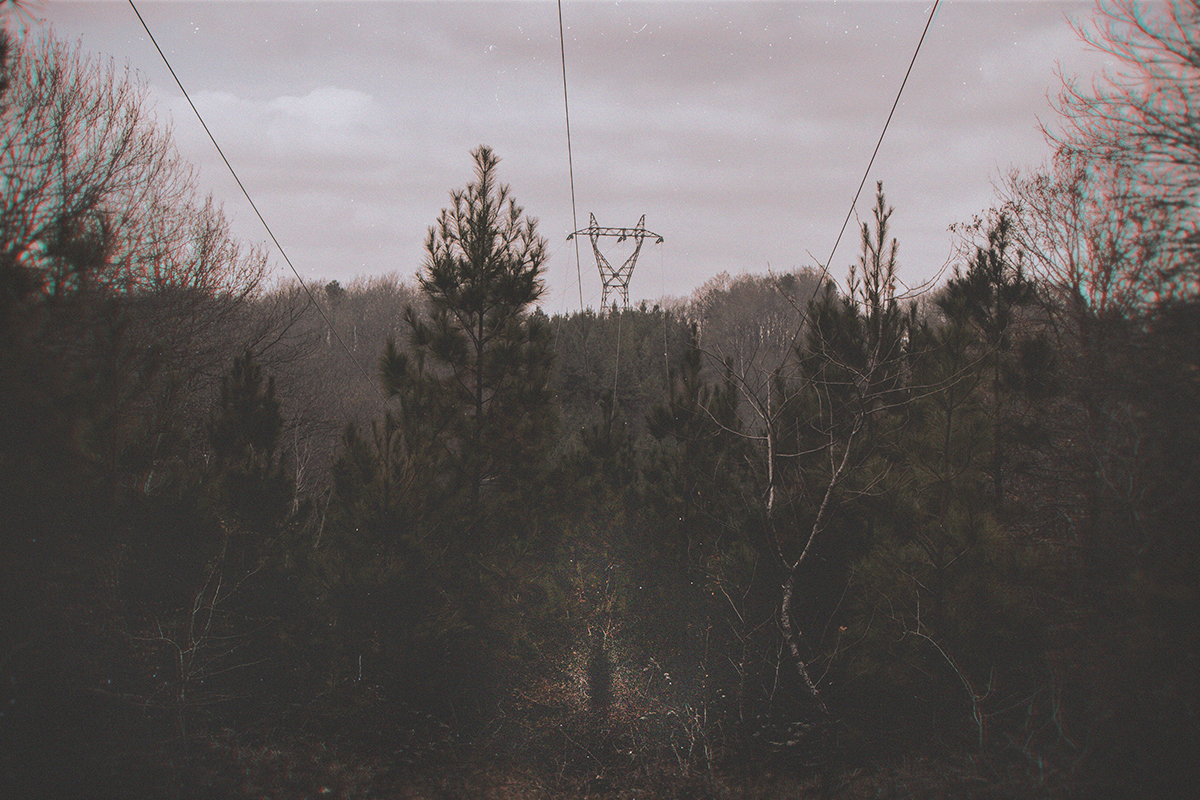
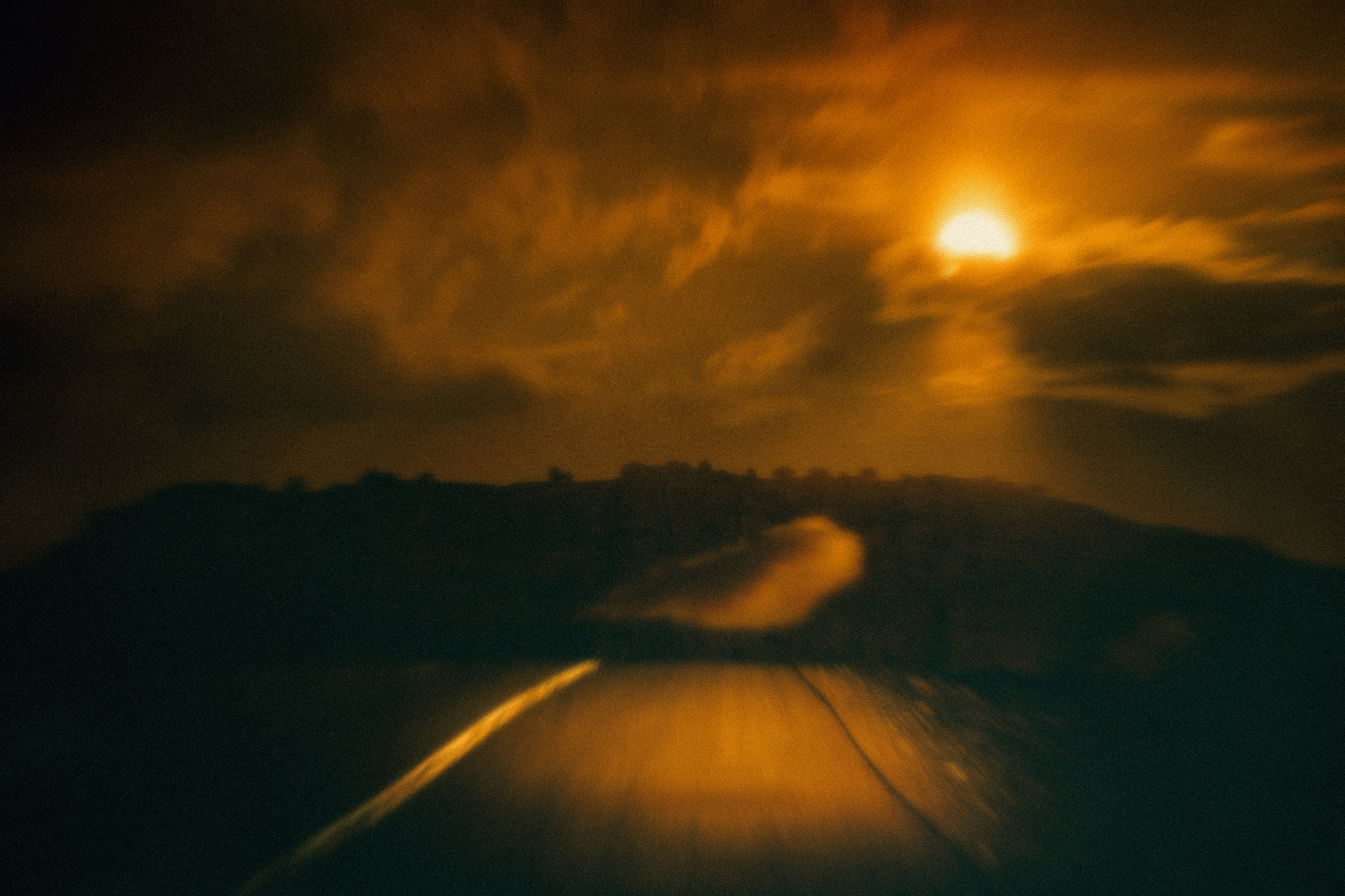
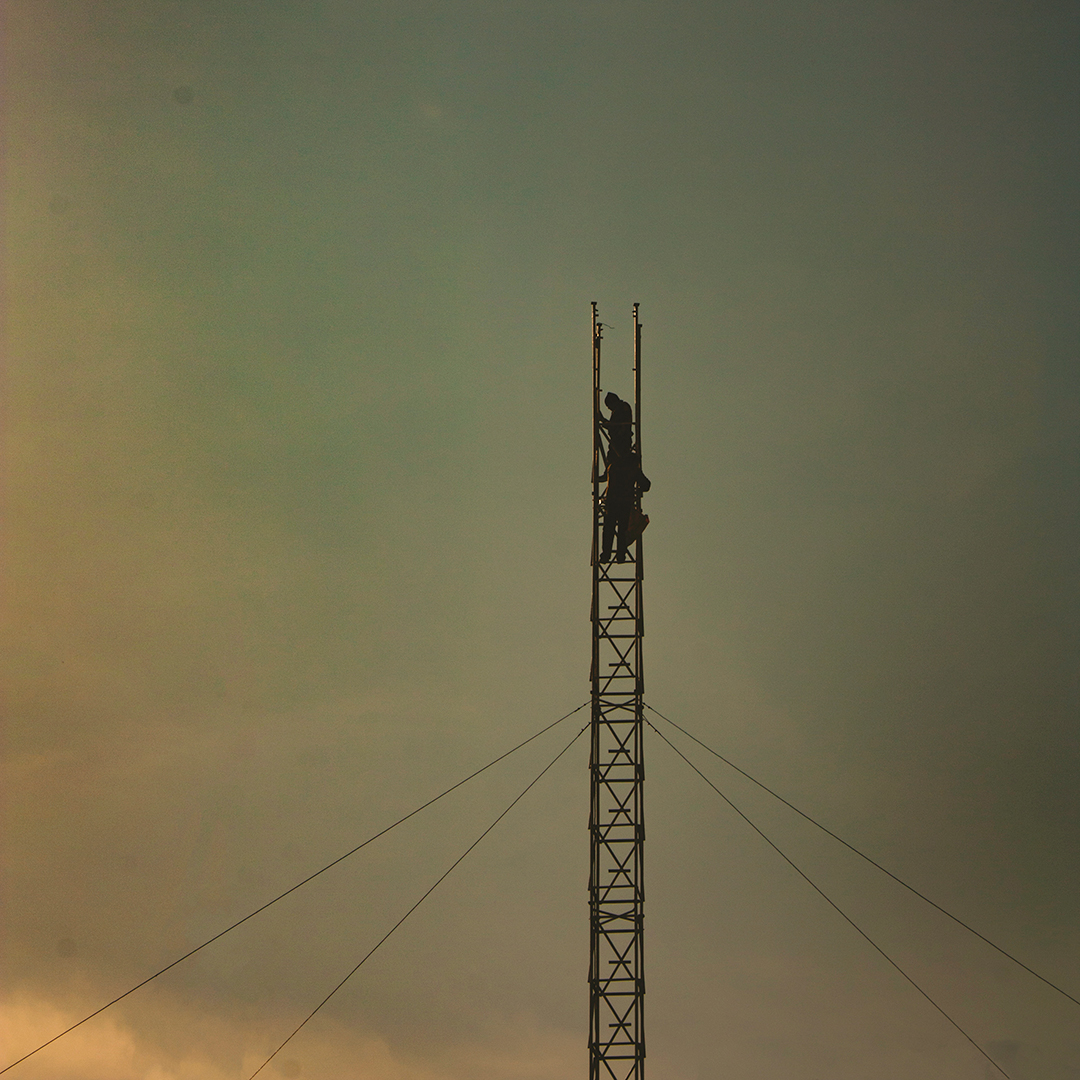
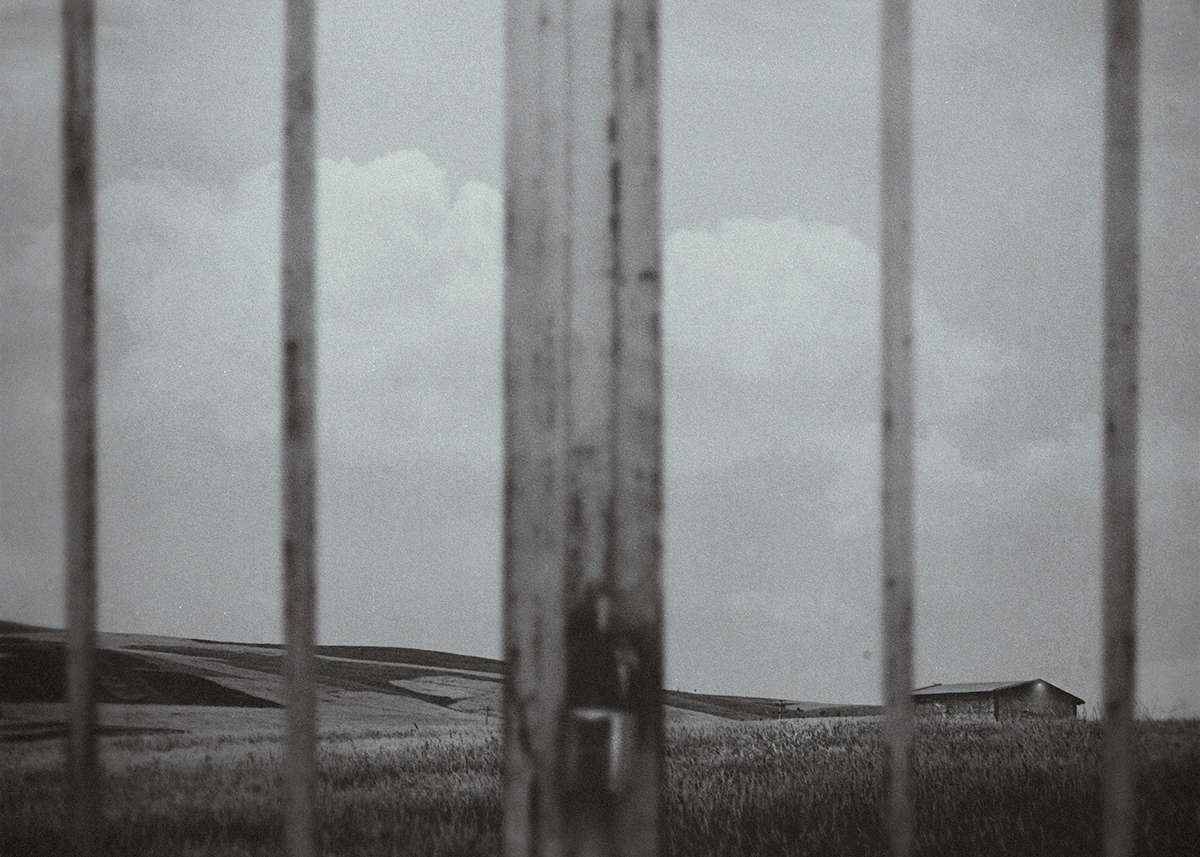
Alireza: I was born in Tehran, Iran. I hold a Bachelor’s degree in Visual Communication and a Master’s degree in Art Research. I began my artistic journey at the age of 22. In my fine art photography, I explore the boundaries between external reality and the inner world, where the image becomes a medium for expressing the mind, memory, and the human unconscious. My artistic practice is shaped by philosophical and psychological perspectives. Through photomontage, digital manipulation, and a hauntological approach, I reconstruct visual landscapes that oscillate between memory and presence, illusion and truth, beauty and pain.

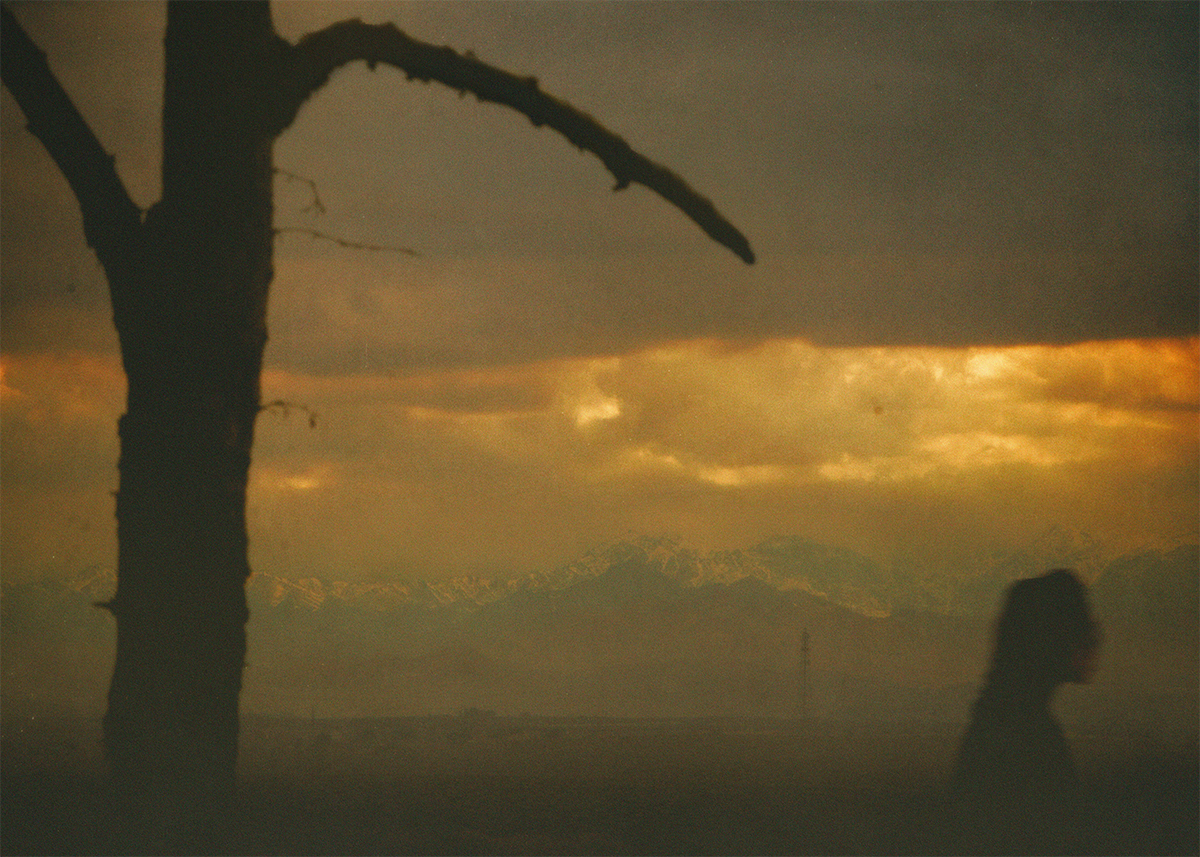
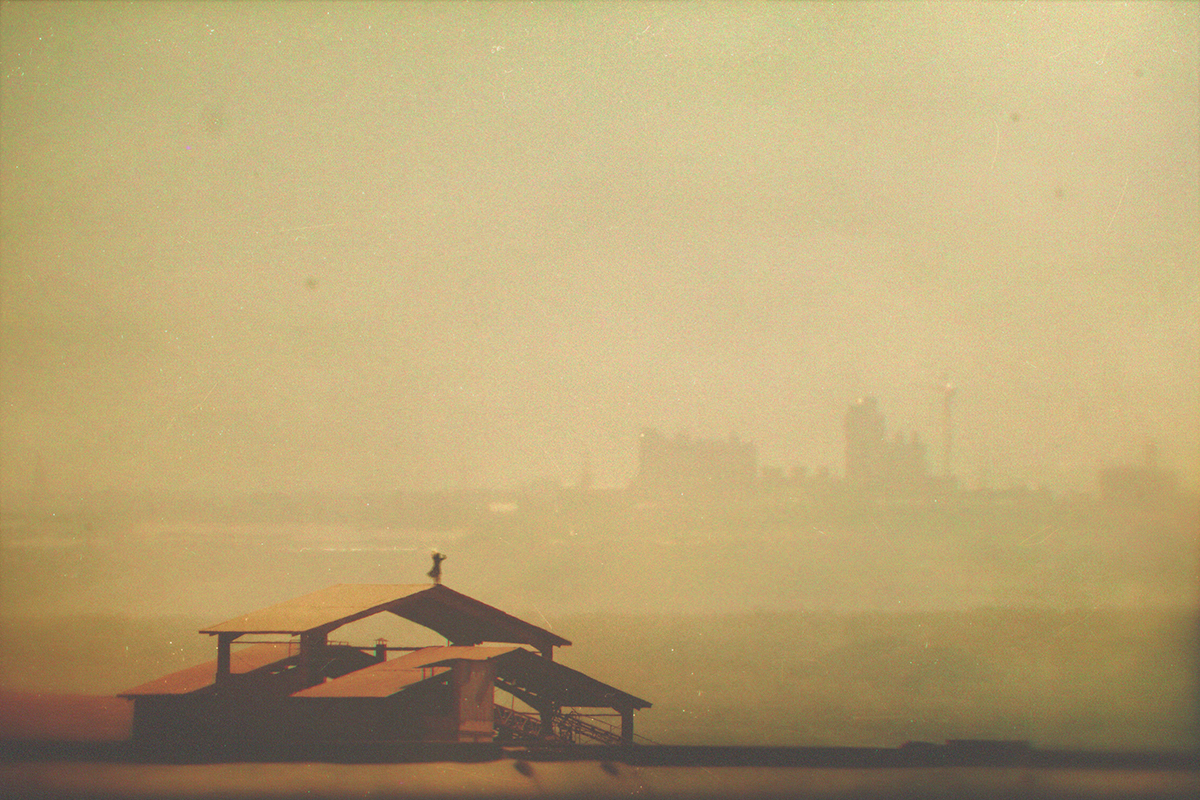
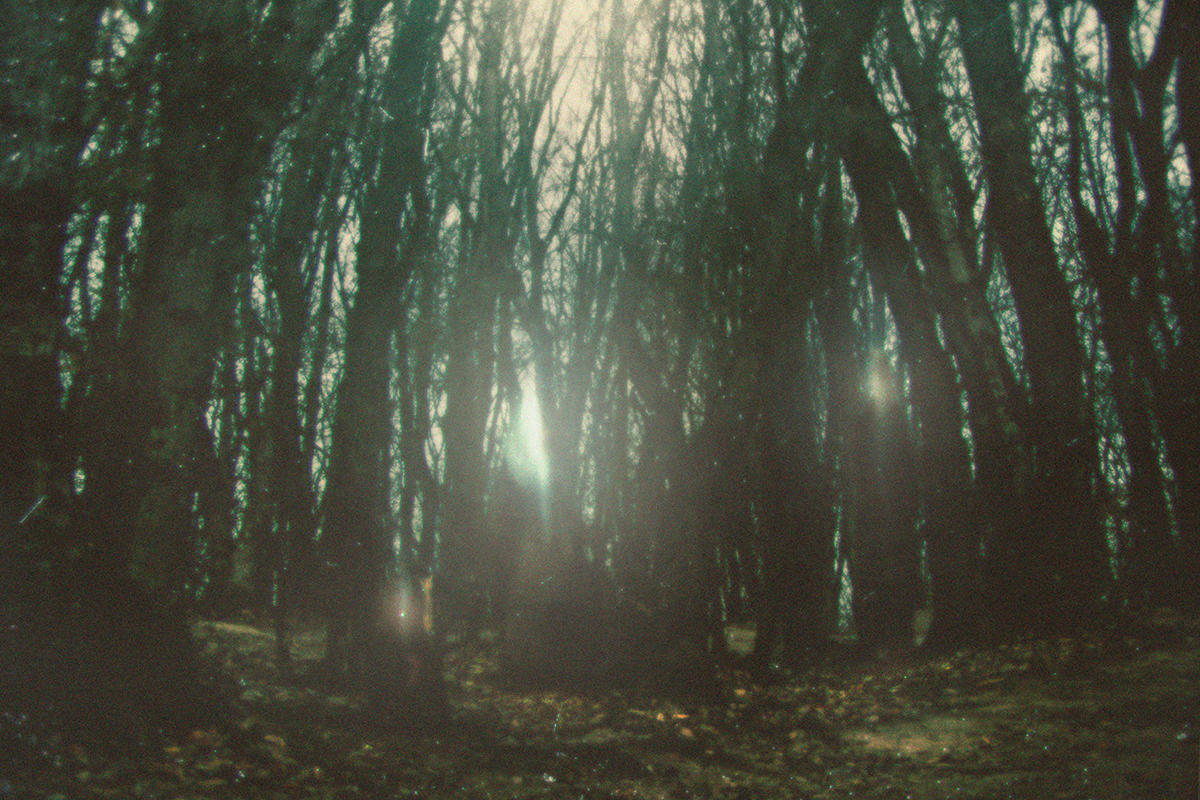
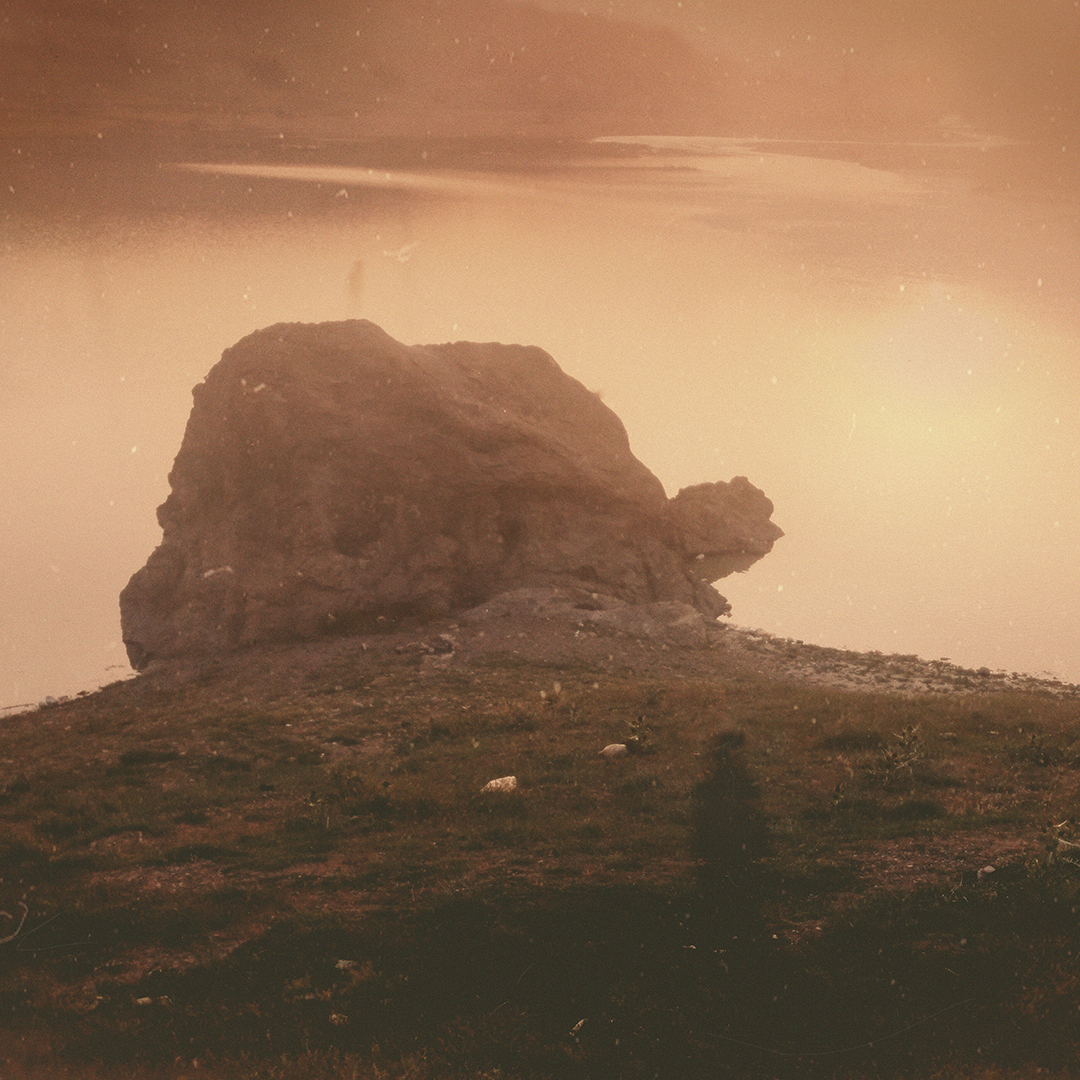
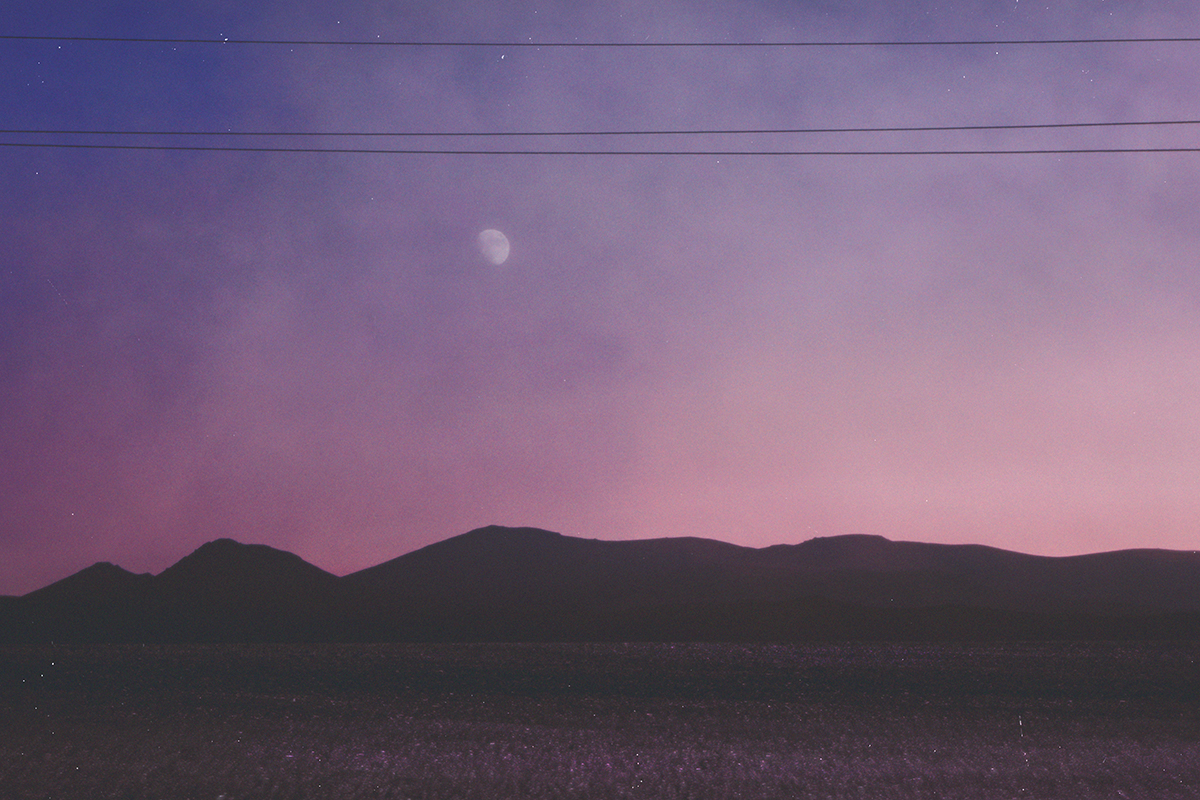
Alireza: We live in a world of chaos and turmoil. The human experience is shaped by a constant struggle for survival. What is reality? We are manipulated, alienated, and disenfranchised by forces within society and the environment in which we live—forces over which we have no control. Our only existential compass and sense of orientation can be found within our inner reality.
This inner reality can be accessed through a process of deconstructing and decoding the layers of experience—often assumed or constructed—that are stored and locked within our minds.
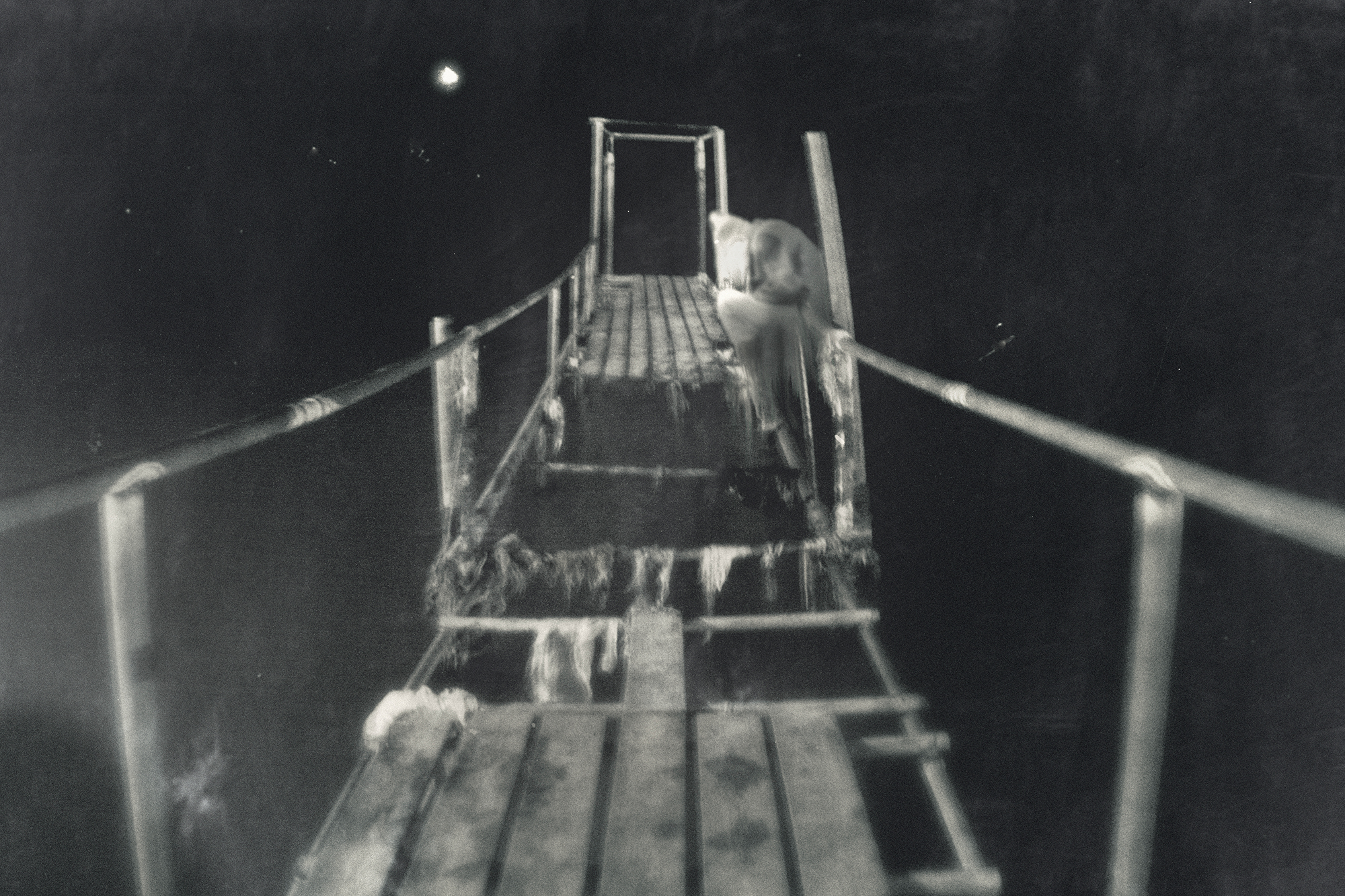
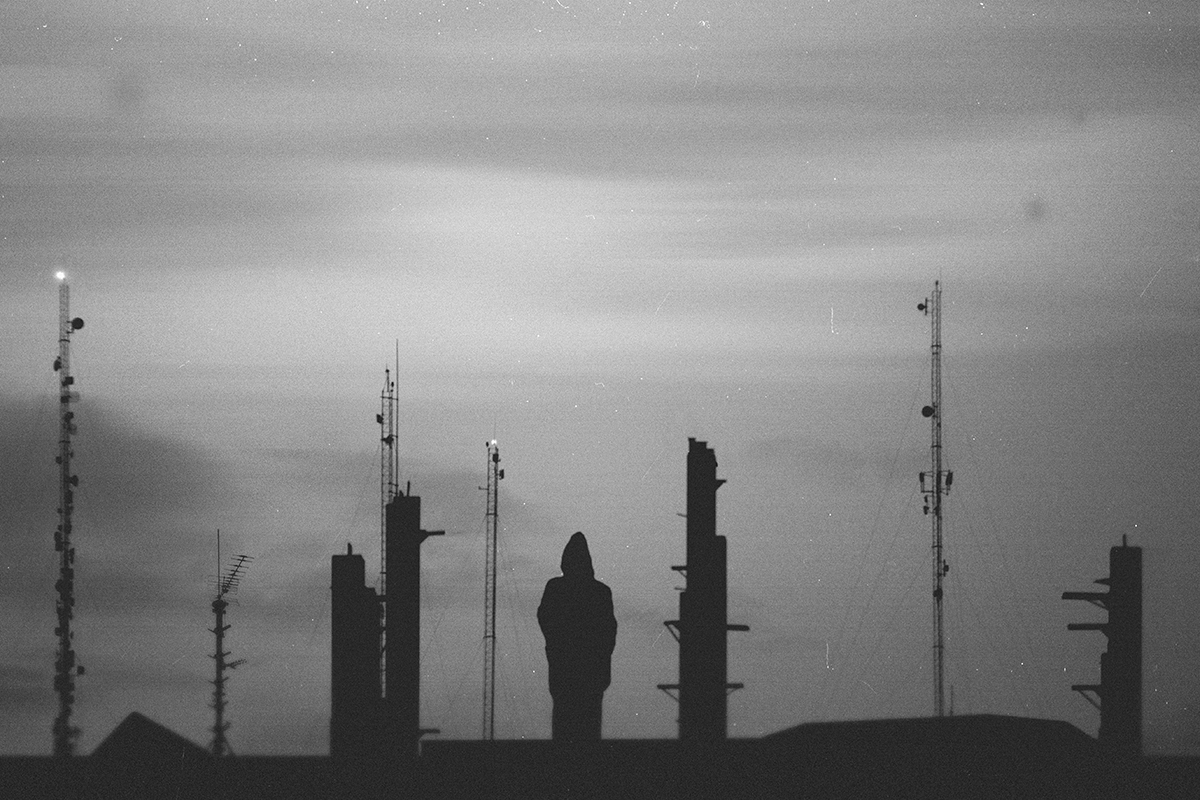
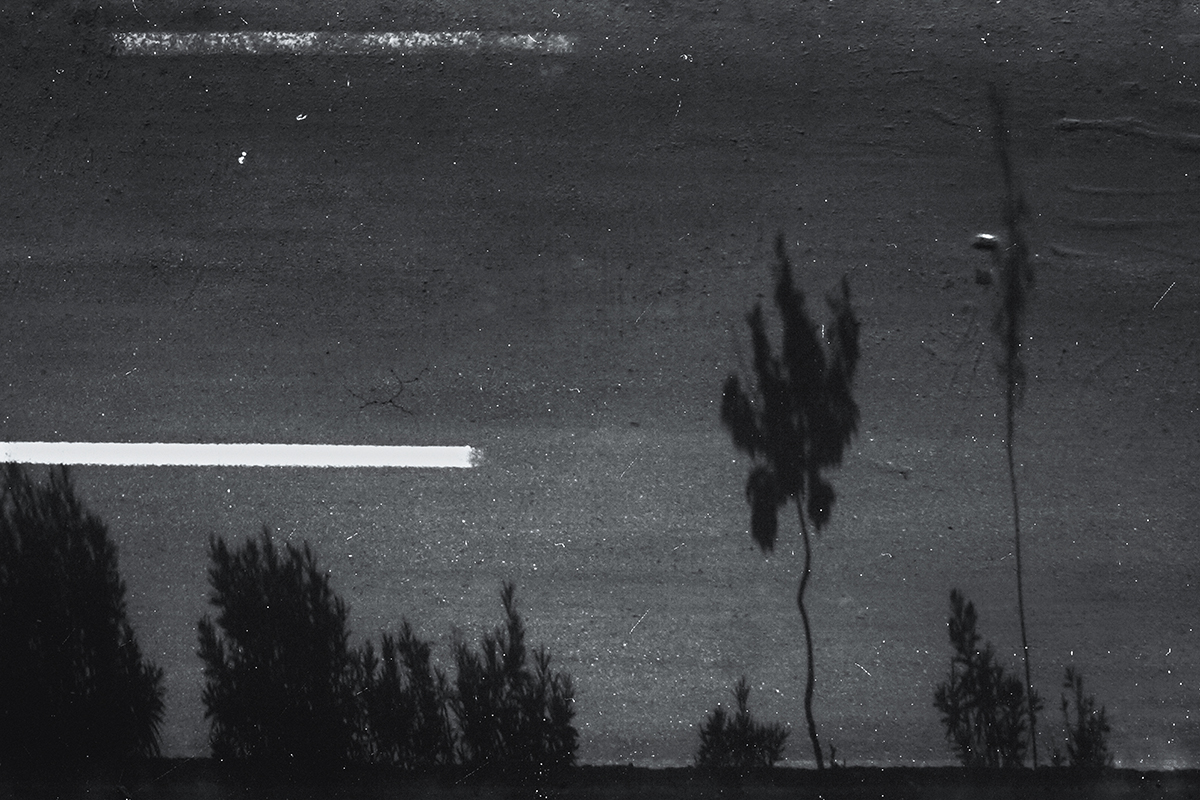
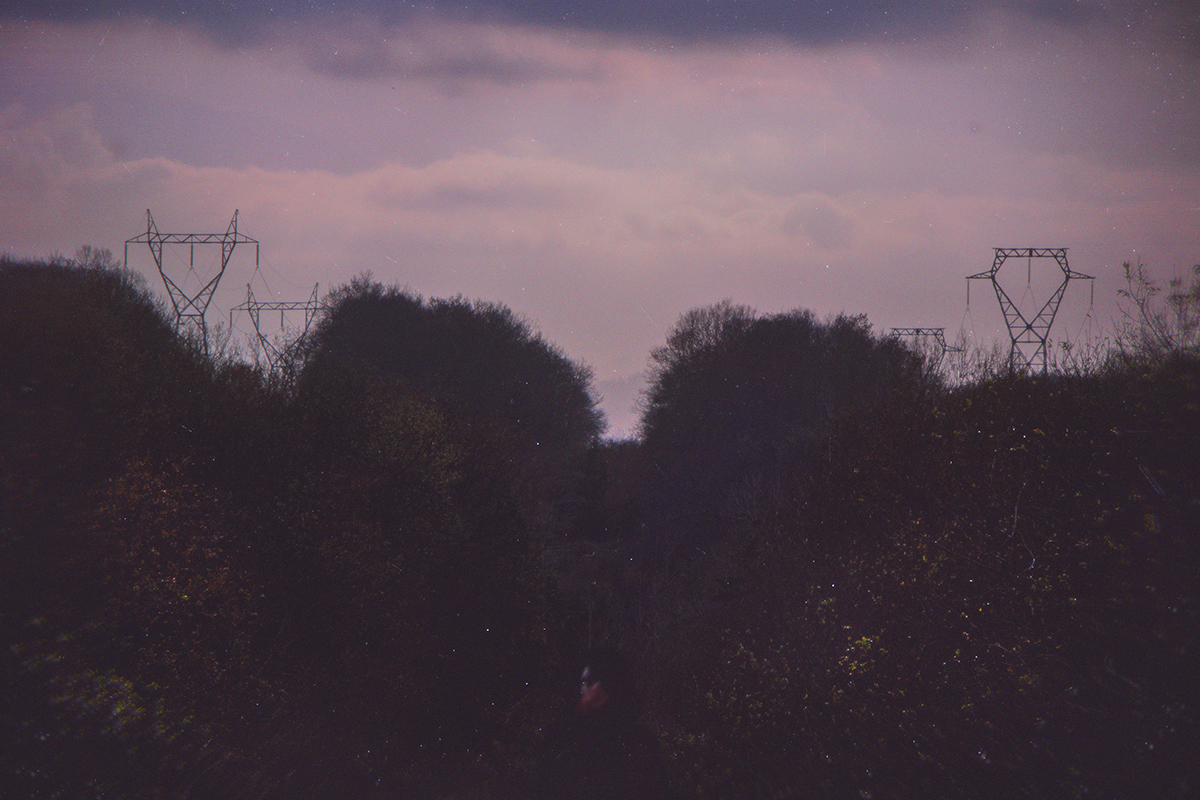
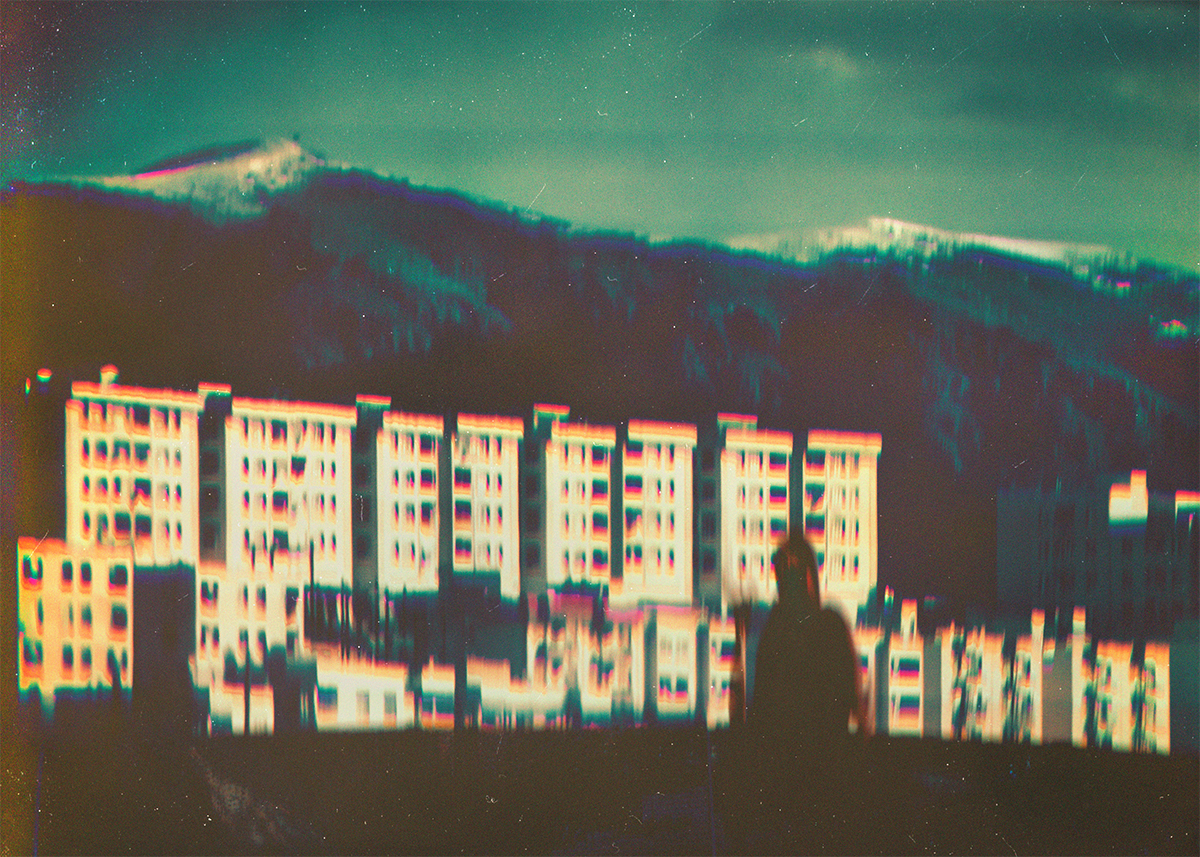
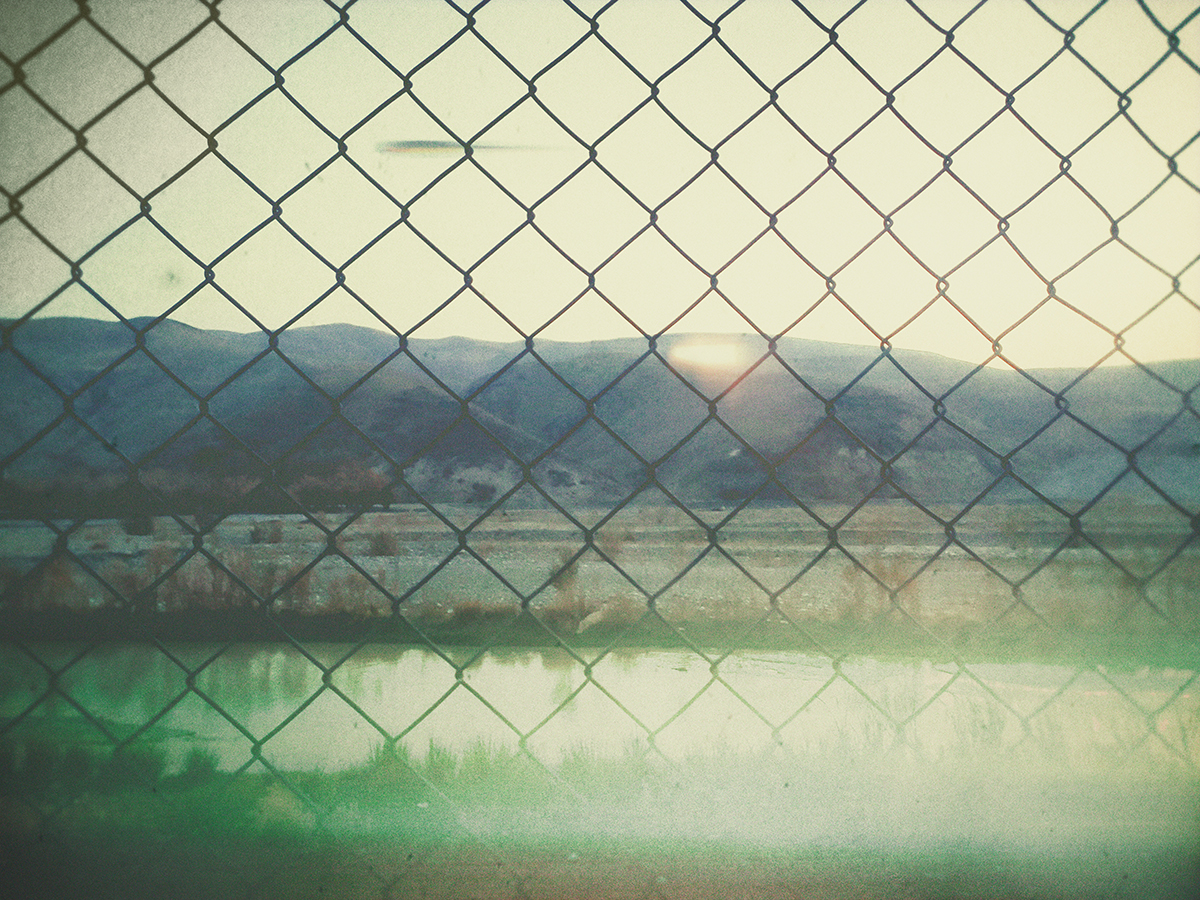
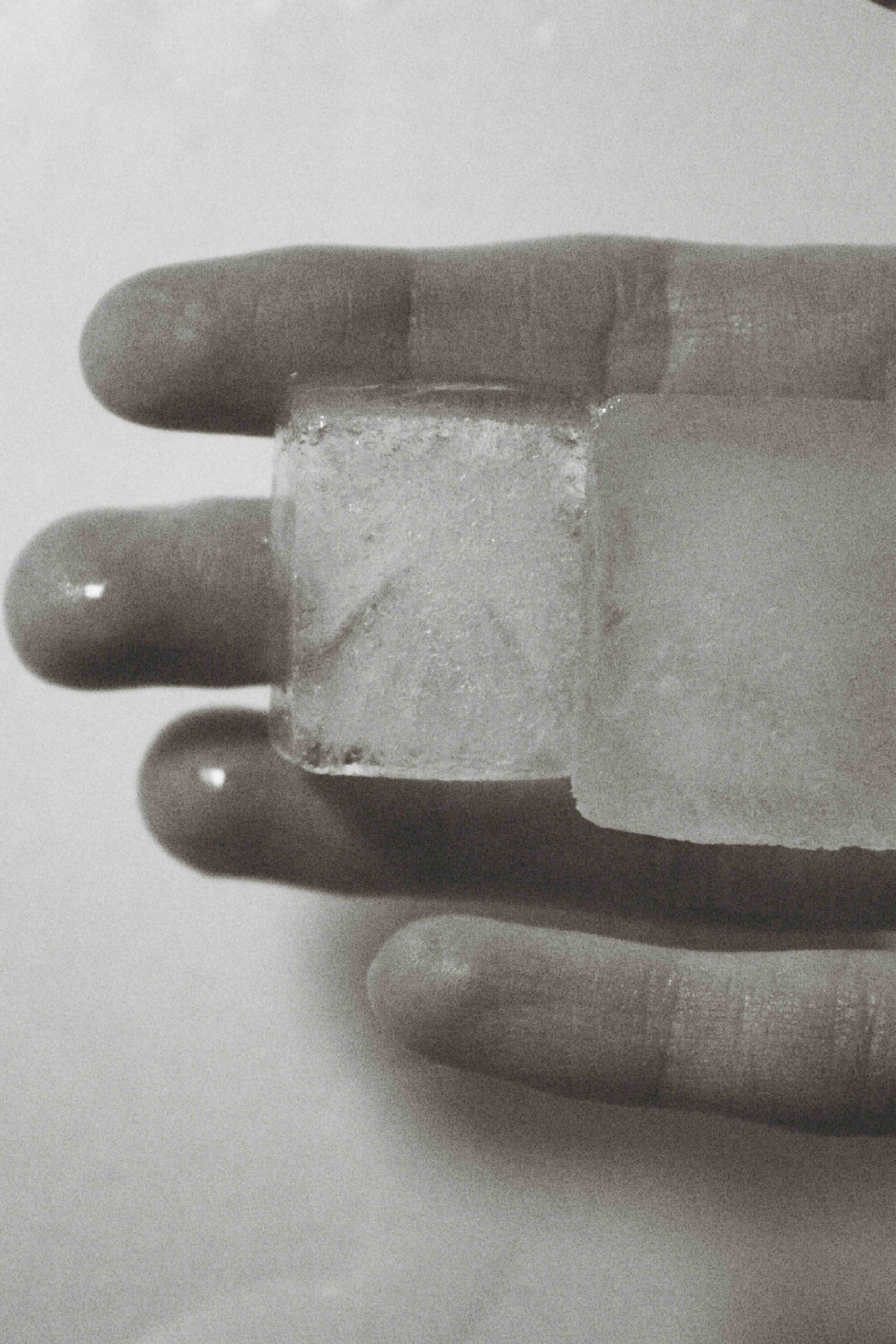
Alireza: In my photography, I use images as aesthetic tools to express states of mind and inner realities. By drawing on archetypal concepts and tropes, I develop a visual vocabulary through which I construct psychological landscapes. My frequent use of photomontage and digital manipulation allows me to create staged visual landscapes that explore the relationship between inner reality and an objective external world—an encounter that can give rise to anguish and pain.
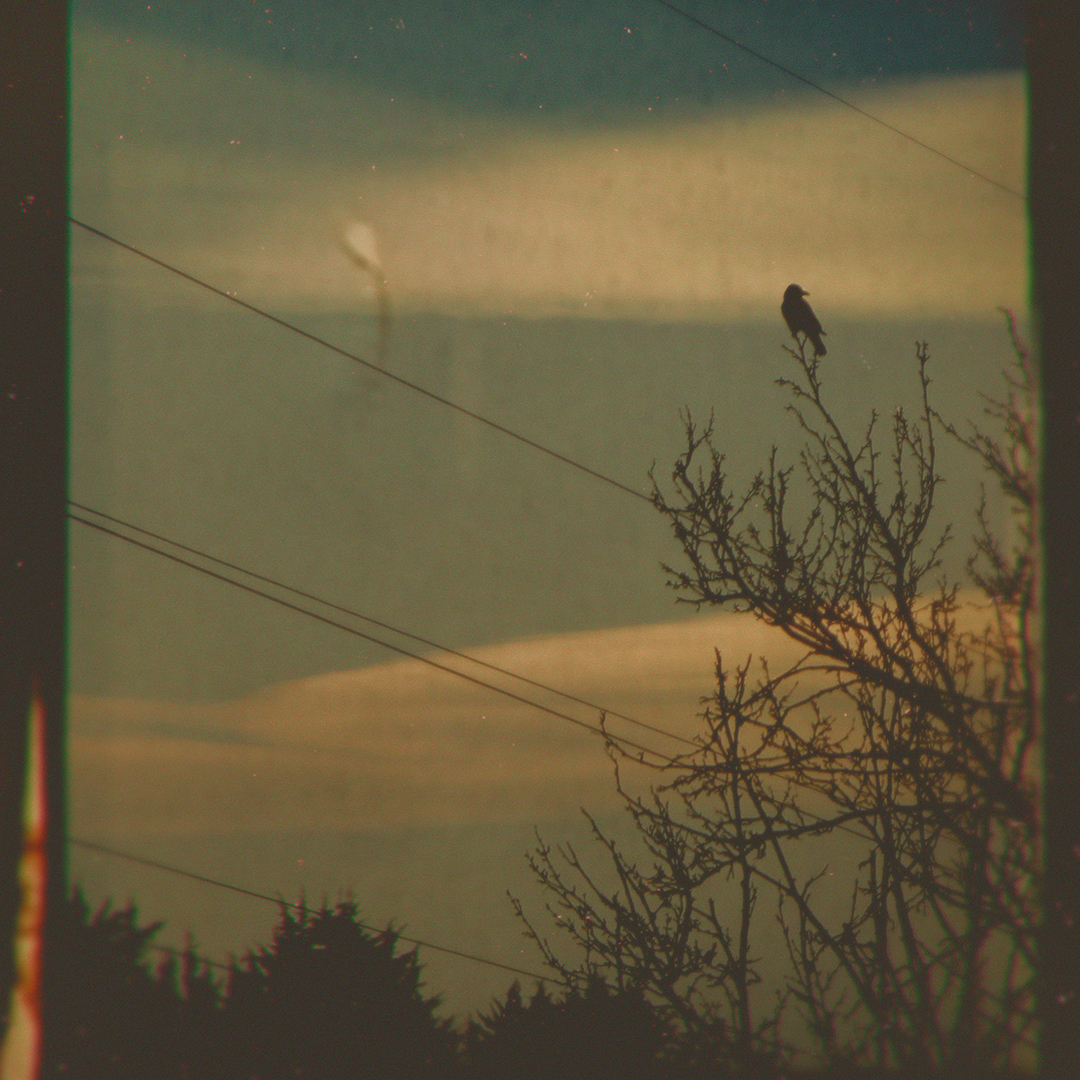
My practice is informed by a hauntological approach. I believe that in the visual arts, particularly in photography, when the form of an artwork evokes the aesthetic and sensuous qualities of the past, the viewer’s unconscious can establish a profound connection with the spirit of the work. It is as if the “soul” that Hegel spoke about awakens in the mind of the subject, or the audience, at the moment of viewing an artistic image. Therefore, I try to create images by manipulating photographs in such a way that the audience feels as though they are viewing an analogue image.